
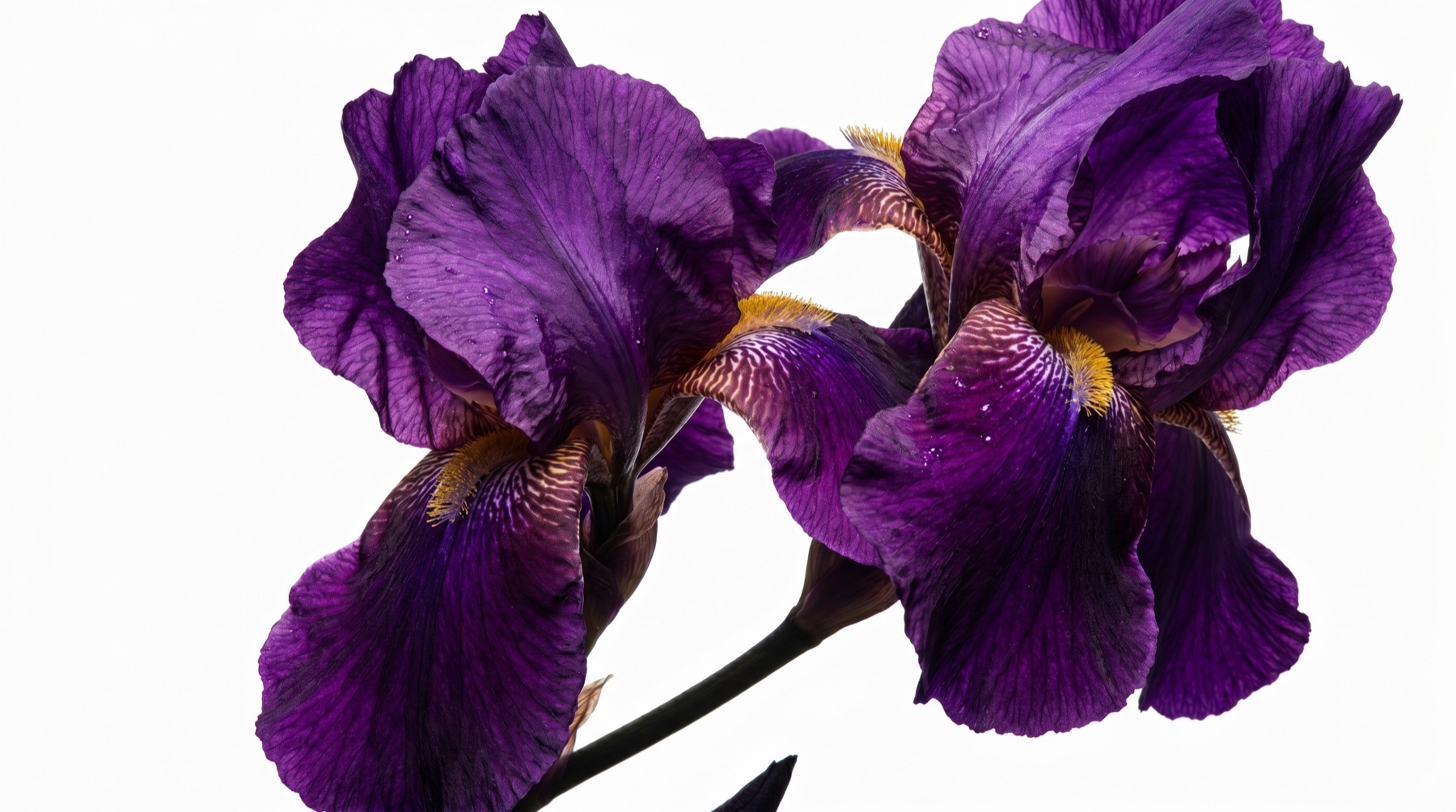
Most AI beauty imagery looks like AI imagery. The tells are consistent: smooth skin with no character, generic light, wrong focal length, backgrounds that belong to no particular place or time. The fix is a better prompt structure, not a better model. The model is already capable. The prompt is where the prestige level lives or dies.
The formula
A reliable beauty prompt has six variables in sequence: subject, material or texture, light, optics, environment, and reference register. Each variable does a specific job. Subject defines what is in frame. Material tells the model what the surface should feel like. Light sets the mood and time of day. Optics translates creative direction into photographic language the model understands. Environment anchors the image in a real-world context. Reference register sets the quality ceiling by naming a photographic tradition or publication.
The order matters because each variable narrows the model's output space. A prompt that opens with reference register before specifying light will flatten the image toward a generic editorial look. Subject first, register last: the model builds the image in layers, and the layers should stack in the same direction as the formula.
Skin and portrait prompts
Skin is the hardest variable in beauty AI. Generic prompts produce plasticky perfection. The prompts that produce editorial skin name the finish explicitly and pair it with a precise light source.
Portrait · Prestige skincare
close-up female portrait, 30s, luminous dewy skin with visible pores, soft diffused natural light from large left window, 85mm f/1.8 portrait lens, slight bokeh on background, minimal styling, off-white textured backdrop, Vogue Paris beauty editorial register, analogue film grain, no retouching feelSkin detail · Texture close-up
extreme macro skin texture, cheekbone area, 40s skin, healthy glow, oil-free finish, single directional light from upper right at 45 degrees, 100mm macro lens, pale rose background, clinical beauty photography, sharp centre soft edges, editorial for prestige skincare campaignThe phrase "no retouching feel" consistently produces more character in the skin than asking for "natural". The model reads instruction, not aspiration. Concrete beats abstract every time.
Product and pack-in-context prompts
Product prompts need a surface, a light logic and a depth relationship between the product and its background. Products floating on white feel e-commerce. Products on a surface with a defined background feel editorial. The difference is two variables: surface material and background depth.
Glass serum bottle · Editorial
amber glass serum bottle 50ml, iridescent liquid visible through glass, placed on white marble surface with faint veining, soft diffused studio light from left, shallow depth of field, background is blurred white linen, 90mm macro, prestige beauty editorial, no shadows inside bottle, clean product photographyFragrance flacon · Lifestyle
crystal perfume flacon with gold cap, placed on aged wooden surface with dried botanicals, warm afternoon light through sheer curtain, 50mm lens, slightly warm colour temperature, luxury lifestyle editorial, Vogue Living register, no digital feelIngredient and texture prompts
Ingredient imagery generates the most volume in a beauty content system: rose oil, hyaluronic acid, vitamin C serums, peptide molecules. The prompts that work treat the ingredient as an object with a specific material property, rather than naming the ingredient and hoping the model does the creative thinking.
Liquid ingredient · Macro pour
macro photograph of golden oil pouring in a thin stream, viscous, slight motion blur on the pour, sharp drop formation, black background, single key light from above right, 100mm macro, slow shutter aesthetic, beauty ingredient editorial, luxury cosmetics registerPowder texture · Overhead
overhead flat lay, fine rose petal powder spread on matte black surface, slight depth variation in the powder, soft diffused light with no hard shadows, 85mm overhead, still life beauty editorial, Kinfolk aesthetic, high resolution detailAdapting the formula per model
Flux.1 Pro rewards longer prompts with more material descriptors. The model processes texture language well and produces consistently sharp product renders. Midjourney responds to reference aesthetics and publication names more than Flux does: naming Vogue, Harper's Bazaar or AnOther Magazine shifts the output register more reliably in Midjourney than in Flux. Higgsfield Nano Banana 2 requires the most precise composition language, down to placement coordinates if needed, and handles in-image text reliably, which makes it the right choice when packaging copy or a label needs to read in the frame.
The formula works across all three. The weighting shifts between variables depending on the model, but the sequence stays the same. Subject, material, light, optics, environment, register: in that order, every time.