
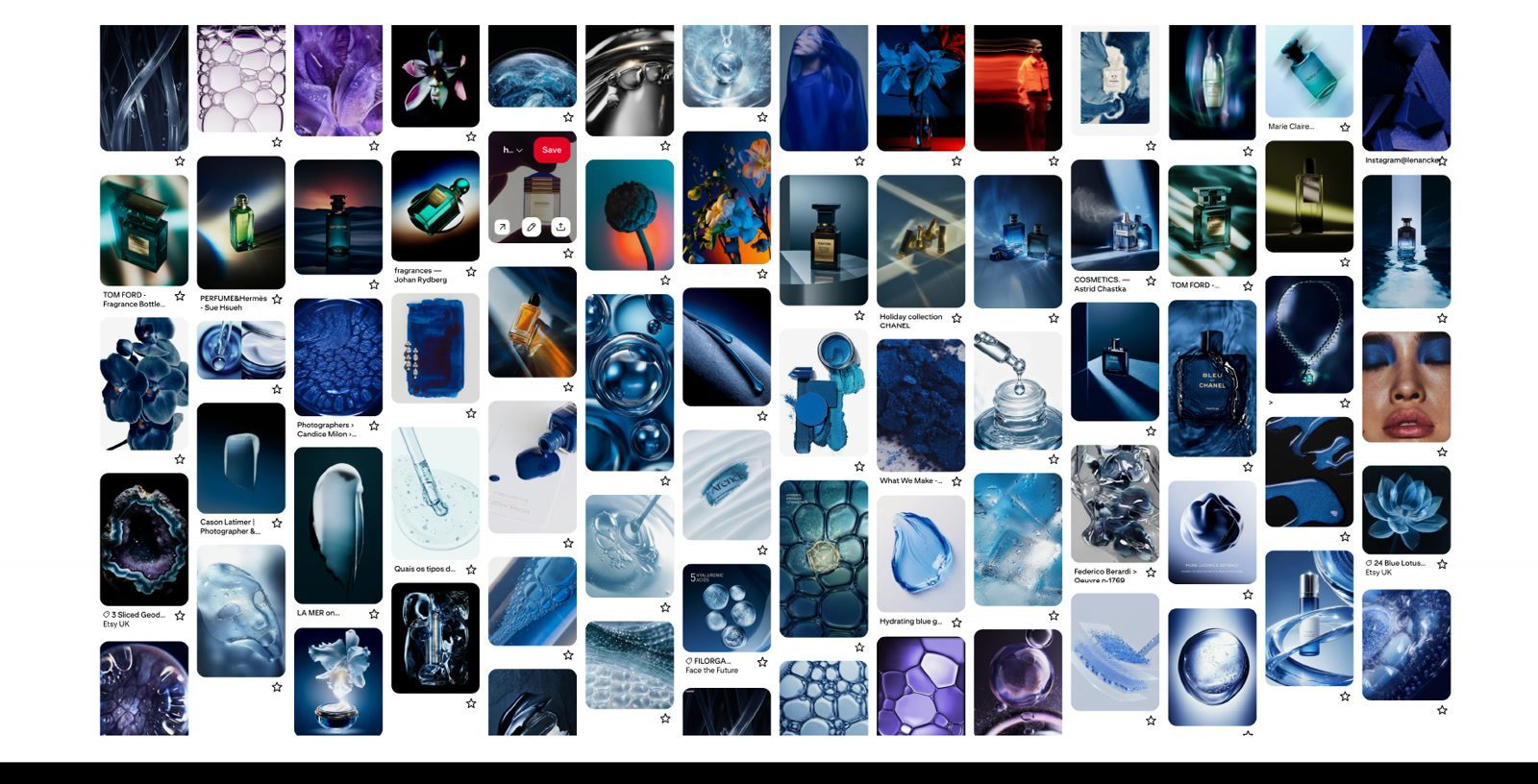
A brand book tells you what the brand stands for. A visual direction codex tells the model what to generate. The two documents serve different audiences: one for humans, one for machines. Confusing them is one of the most common reasons AI content production produces inconsistent results.
The gap between brand book and prompt
Most beauty brands have a brand book. It describes the brand personality, the colour palette, the typography, the tone of voice. It may include mood references or photography guidelines. What it was never designed to contain are the specific, observable, machine-legible parameters that AI image models need to produce output that matches the brand's visual identity.
A brand book might say "warm, luminous, approachable." A visual direction codex translates that into: warm white balance 4800K, soft diffused window light from the left, 85mm focal length, slight bokeh on background, skin with visible texture and natural glow, no harsh shadows, editorial lifestyle register. That translation is the work the codex does. It bridges the gap between creative intent and machine output.
What a visual direction codex contains
A complete codex for a beauty brand covers five areas. Each area converts subjective brand language into specific, testable generation parameters.
Creative tip
Write the codex from approved images, not aspirational ones. Pull your five best-performing campaign images from the last two years. Extract every observable parameter: light angle, surface, focal length, skin finish, background depth. The codex is descriptive before it is prescriptive.
How the codex connects to the prompt library
The codex is the source of truth. The prompt library is its execution layer. Every prompt in the library should be traceable to at least one rule in the codex. If the codex specifies warm afternoon light, every lifestyle prompt in the library encodes that. If the codex says no hard shadows, that appears in every product still prompt as a constraint.
When the brand updates its visual identity, whether a repositioning, a new product line or a seasonal direction, the codex updates first, and the library follows. The two documents move together. The codex is the brief; the library is the executed translation.
Building the codex without starting from scratch
Most brands already have the raw material for a codex inside their approved image archive. The process of building one is largely extraction and codification: take 20 approved images that best represent the brand's visual identity, describe every observable parameter in each, find the constants that appear across all 20, and write those constants as rules.
The first version of a codex takes one to two days of focused work. It is a forensic document. The creative work has already been done in the images. The codex makes that work explicit, portable and machine-readable.
Creative tip
Test your codex with a single prompt before building the full library. Generate one image using only the codex parameters: strip out mood references and adjectives. If the output does not read as your brand, the codex has a gap. Find it and specify it before scaling.
The codex as a governance document
Beyond generation, the codex serves as the quality gate for any AI content a team produces. When a new team member generates images, or when an external studio produces a batch, the codex is the standard against which output is reviewed. It removes subjectivity from the approval process: either the light matches the codex or it does not. That shift from "I'll know it when I see it" to documented, testable standards is what makes a content system scalable across a team.