
Aller au contenu principal

04 / TRANSFORMATION

We install the systems behind your content, inside your team.

We map how content gets made, build the AI workflows and tools that carry the repetitive work, and train the people who run them. The creative standard stays. The hours come back.

FIG. 01Production flow, after transformation
  1. BriefBrand team
  2. Brand codexVisual rules, versioned
  3. Prompt libraryAnchored to the codex
  4. GenerationStills, motion, variants
  5. Creative reviewCreative director signs off
  6. Formats & marketsEvery ratio, every market
  7. DeliveryDAM, product pages, social

SystemHuman decision

01

How we work

Four phases, run with your team. Each one ends with something you keep.

  1. Phase 01

    Audit

    We map the chain from brief to published asset, alongside the team, and measure where the hours go and where quality leaks.

    OutputProduction map · bottleneck report

  2. Phase 02

    Define

    We agree what the system must carry: volumes, markets, brand standards, and what stays with the creative director.

    OutputSystem brief · scope

  3. Phase 03

    Build

    We set up the workflow, the tool stack, the prompt library and the brand codex, scoped to what the team will use every week.

    OutputWorking system in your stack

  4. Phase 04

    Hand over

    We train the people who run it and document every step. The test of the work is a team that adapts the system on its own.

    OutputTraining · documentation

02

What we install

We work as creative technologists. The system is built in four layers, from the brand at the base to the people at the top.

L4

Team

Training and documentation, so the people who run the system can adapt it.

  • Playbooks
  • Training

L3

Workflows & agents

Briefs, market copy and asset tracking moving through one workflow. Field note ↗

  • Claude
  • MCP
  • Drive
  • Notion

L2

Pipelines & models

Node graphs for colourways and adaptations, a format engine for every ratio, brand-tuned models. Field note ↗

  • ComfyUI
  • Nano Banana
  • GPT Image
  • Kling
  • Veo

L1

Brand codex & prompt library

The brand book translated into rules and prompts the whole team shares, versioned like any brand asset. Field note ↗

  • Codex
  • Prompt library
  • Versioning
FIG. 02Anatomy of a prompt library entry · studio example

Entrylaced-up / product-shot / v3

Codex · inherited

  • PalettePorcelain blue, ivory
  • MaterialsLace, ceramic
  • MoodSoft daylight, still life

Template

{product} resting on {surface}, {light}, {palette} accents, {lens}, editorial still life, true to pack

Variables

product
Laced Up day cream jar
surface
Antique lace, oak table
light
Soft morning daylight
palette
From codex
lens
Macro, shallow depth

Output

Laced Up day cream product shot generated from the entry

4:5 · 9:16 · 1:1 via format engine

Versions

  1. v1Surface too busy
  2. v2Light warmed, pack colour drifts
  3. v3Approved by creative director

03

Systems as workflows

Three systems, drawn as the workflows we set up. All the imagery on the Content page ↗

System 01

Prestige packshots · multi-brand

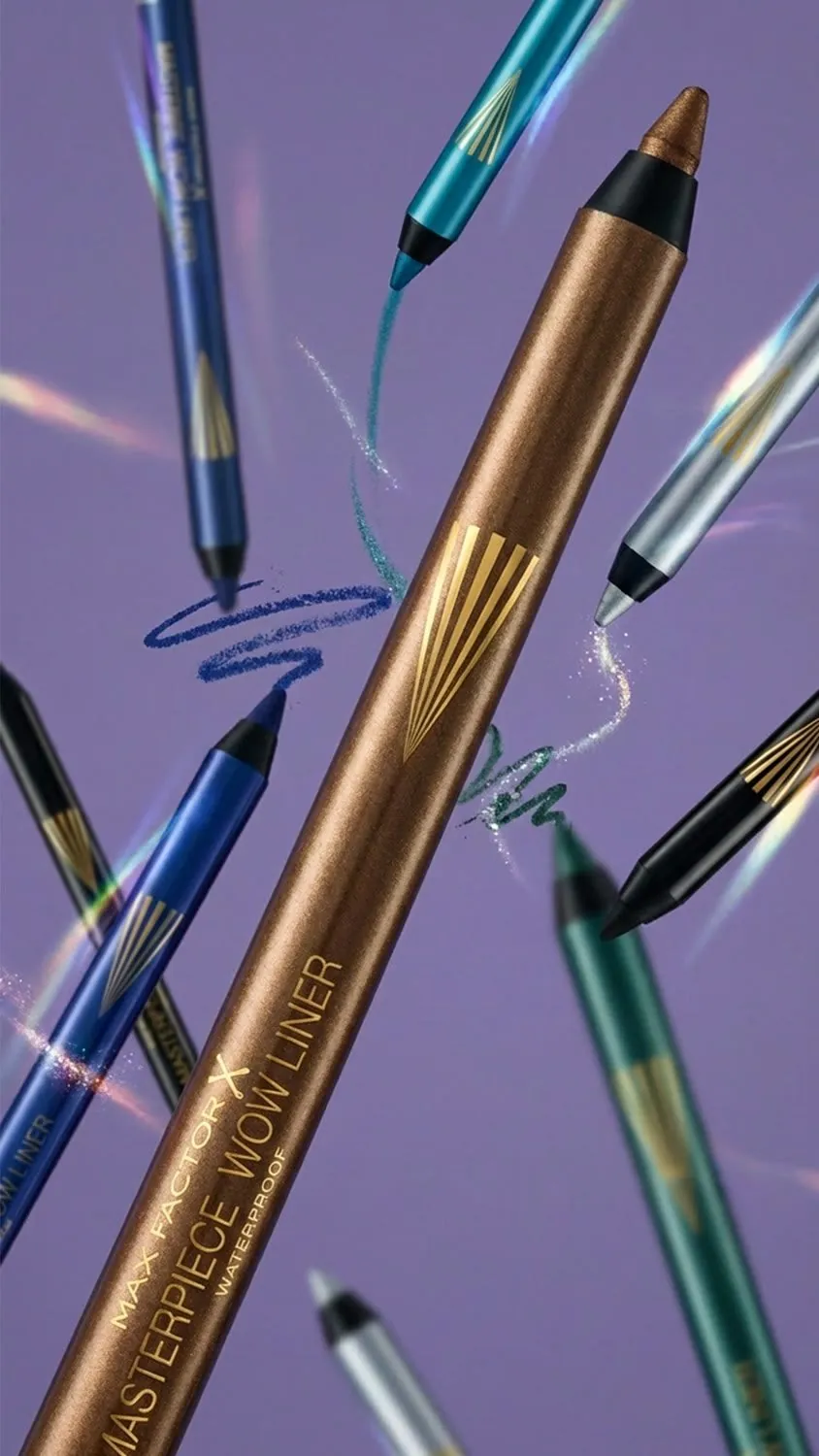
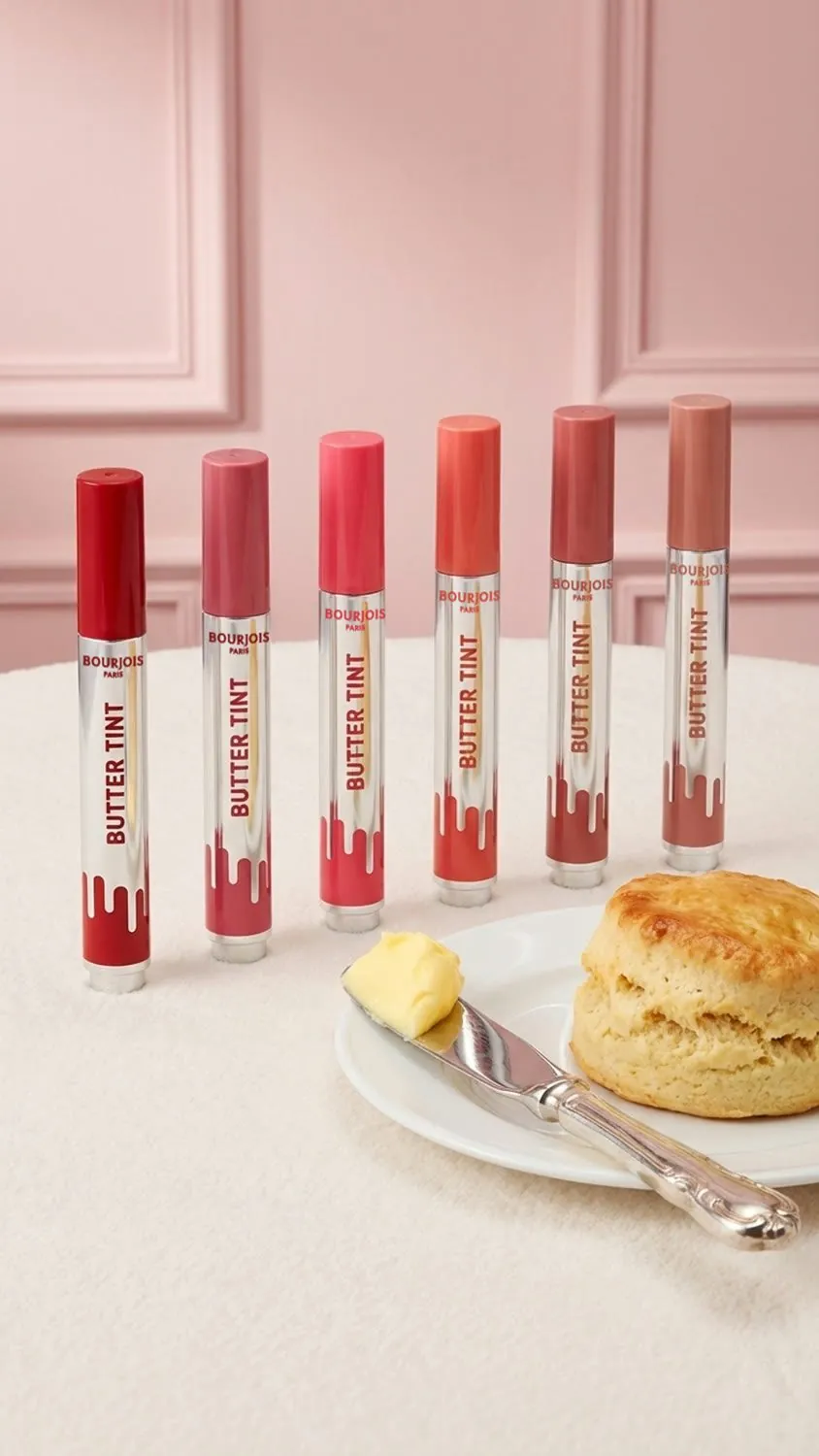
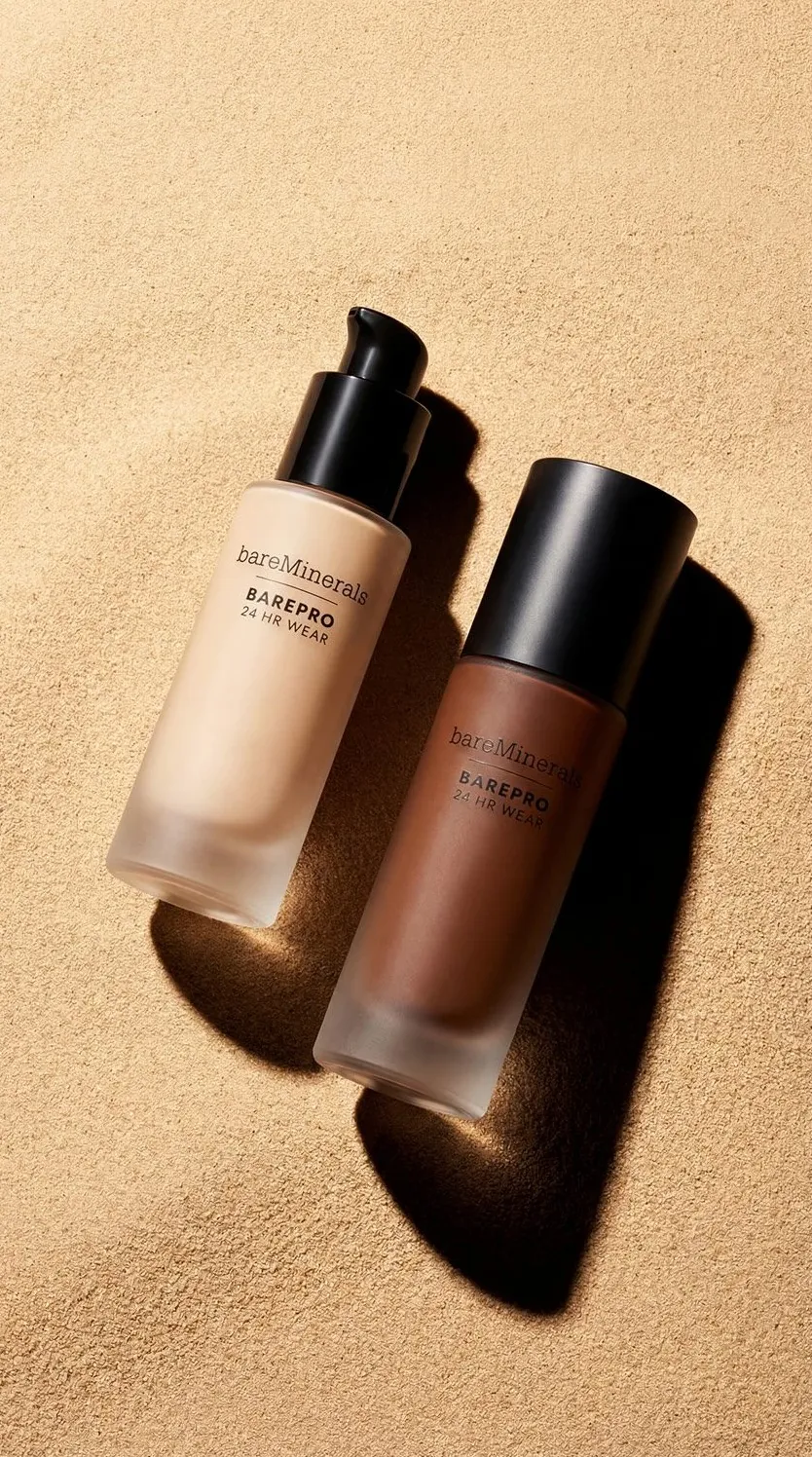
Max Factor, Bourjois and bareMinerals, each with its own codes and the same e-commerce demands.

FIG. 03Packshot pipeline · three brands, one standard

Input

Brand codes

  • BrandsMax Factor, Bourjois, bareMinerals
  • AssetsPack files, brand book

Rule

Packshot standard

  • Defined onceLight, angle, finish
  • Per brandCodes layered on top

Generation

AI still photography

  • ScopeComplexion, colour, hero
  • OutputStills per SKU

Review

Creative review

  • OwnerCreative director
  • CheckProduct accuracy, brand codes

Output

Exports

  • ChannelsE-commerce, social
Max Factor packshotBourjois packshotbareMinerals packshot

System stepHuman decision

ResultOne standard held across three brands. Each brand keeps its voice inside it.
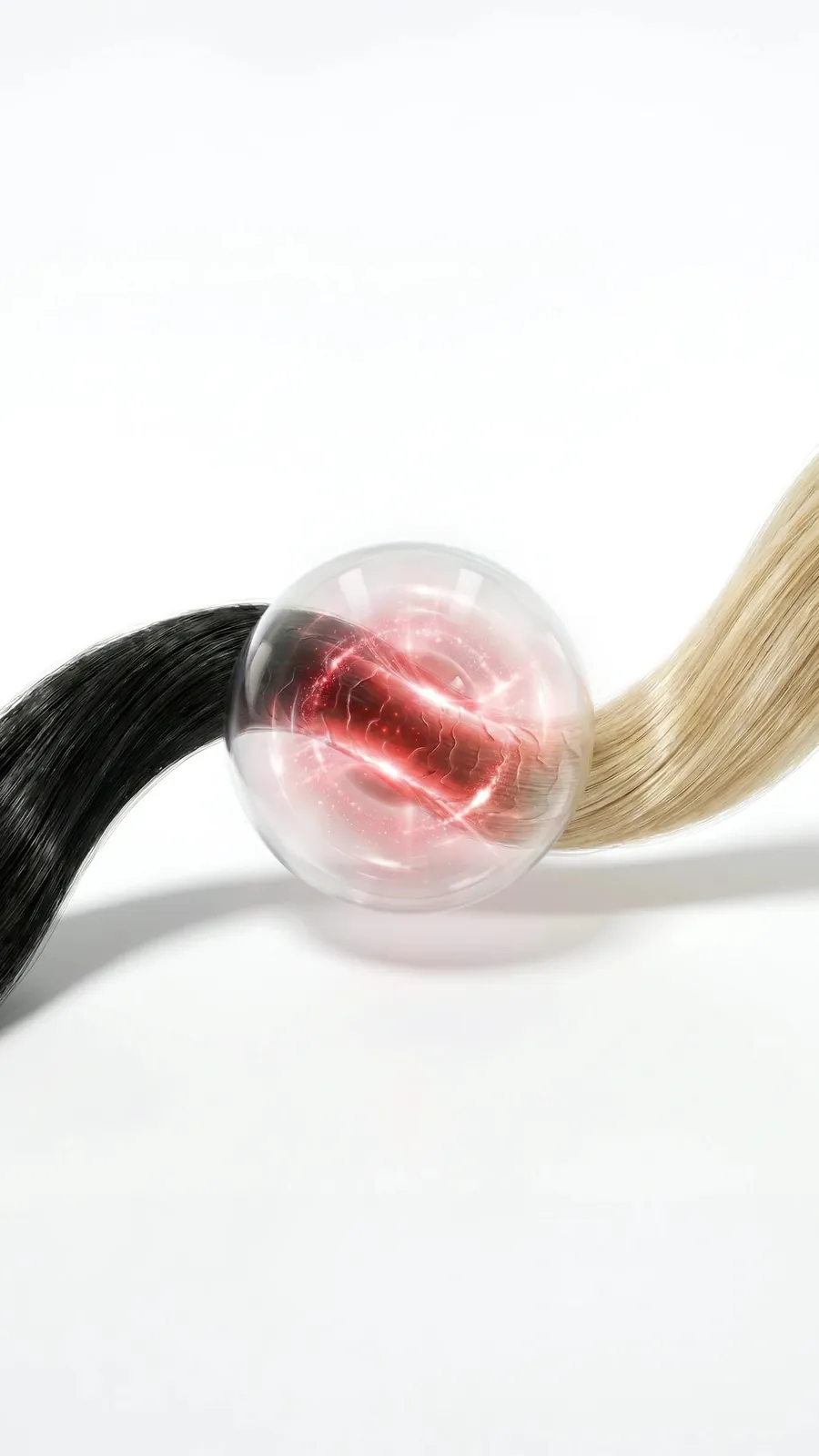
System 02

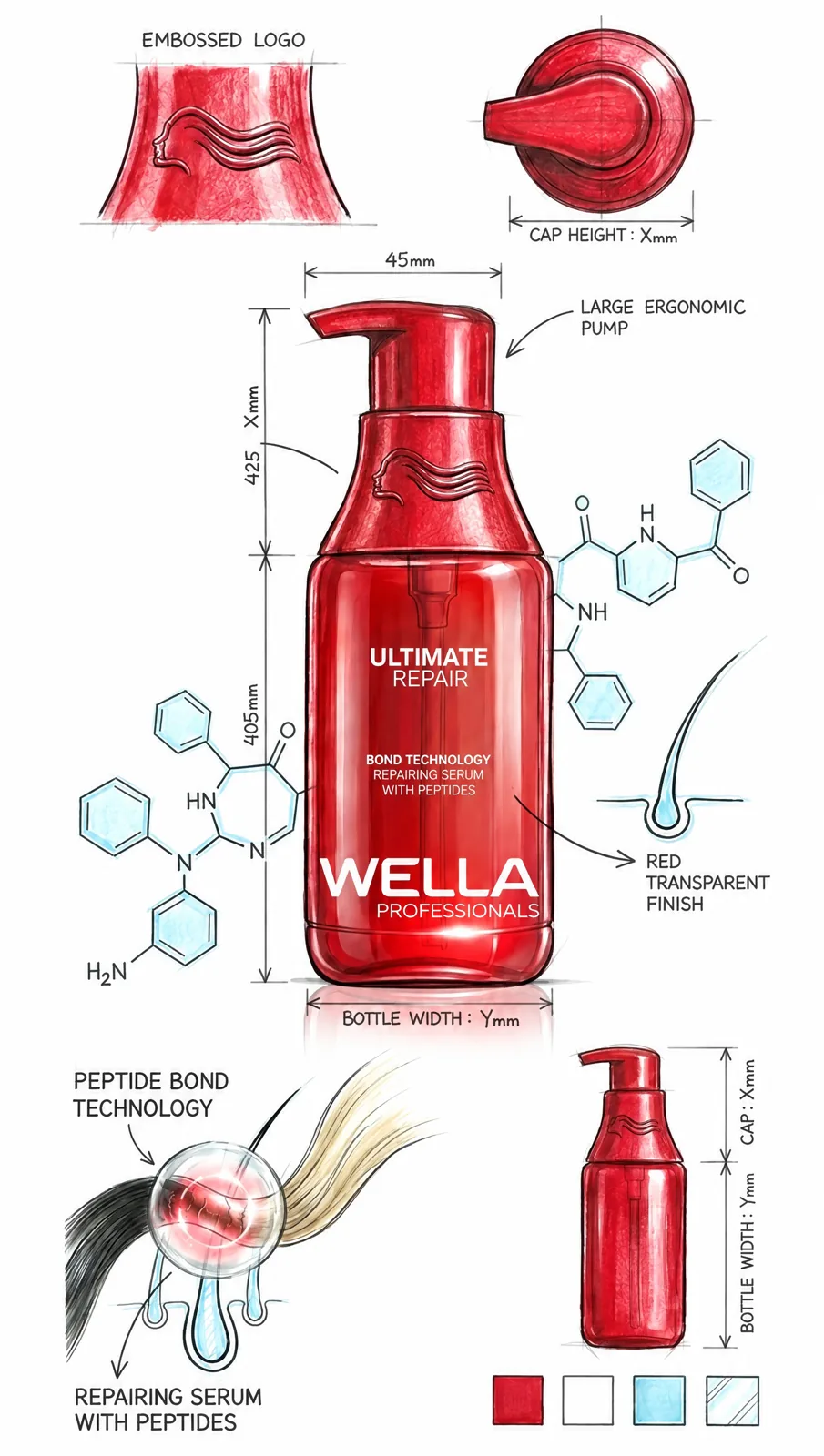
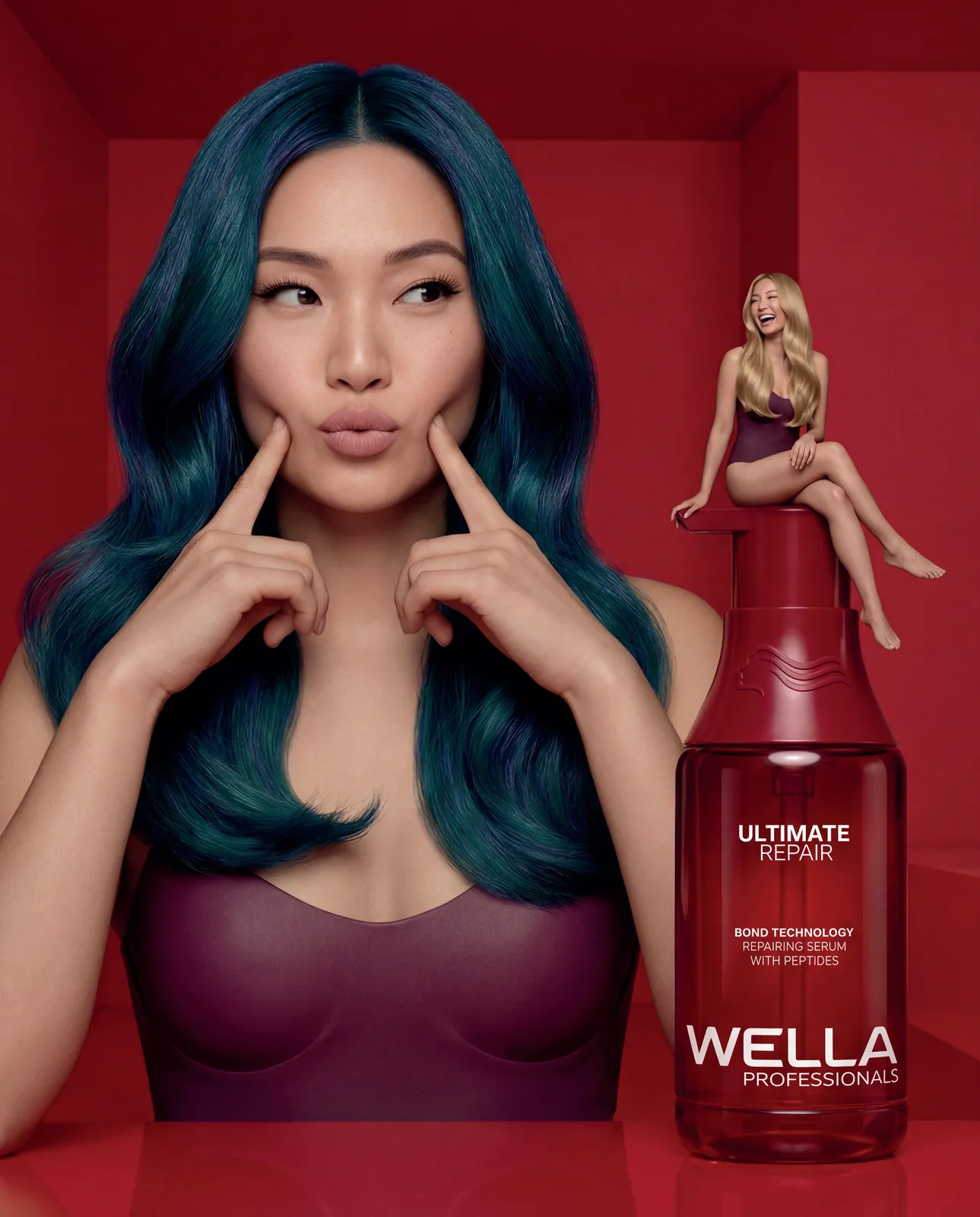
Wella Professionals · Ultimate Repair

A creative direction concept commissioned for Ultimate Repair and its Peptide Bond Technology.

FIG. 04Concept workflow · one brief, three routes

Input

Brief

  • ProductUltimate Repair
  • ClaimPeptide Bond Technology

Research

Cultural insight

  • OutputTerritory for the routes

Route 01

Route build

  • LayersPack, science, casting, styling

Route 02

Route build

  • LayersPack, science, casting, styling

Route 03

Route build

  • LayersPack, science, casting, styling

Output

Three complete routes

  • FormatSide by side
Wella science visualWella packaging sketchWella campaign route

Decision

Client choice

  • OwnerWella team
  • BasisThree finished routes

System stepHuman decision

ResultEvery layer developed in parallel, so the choice is made between finished routes.

System 03

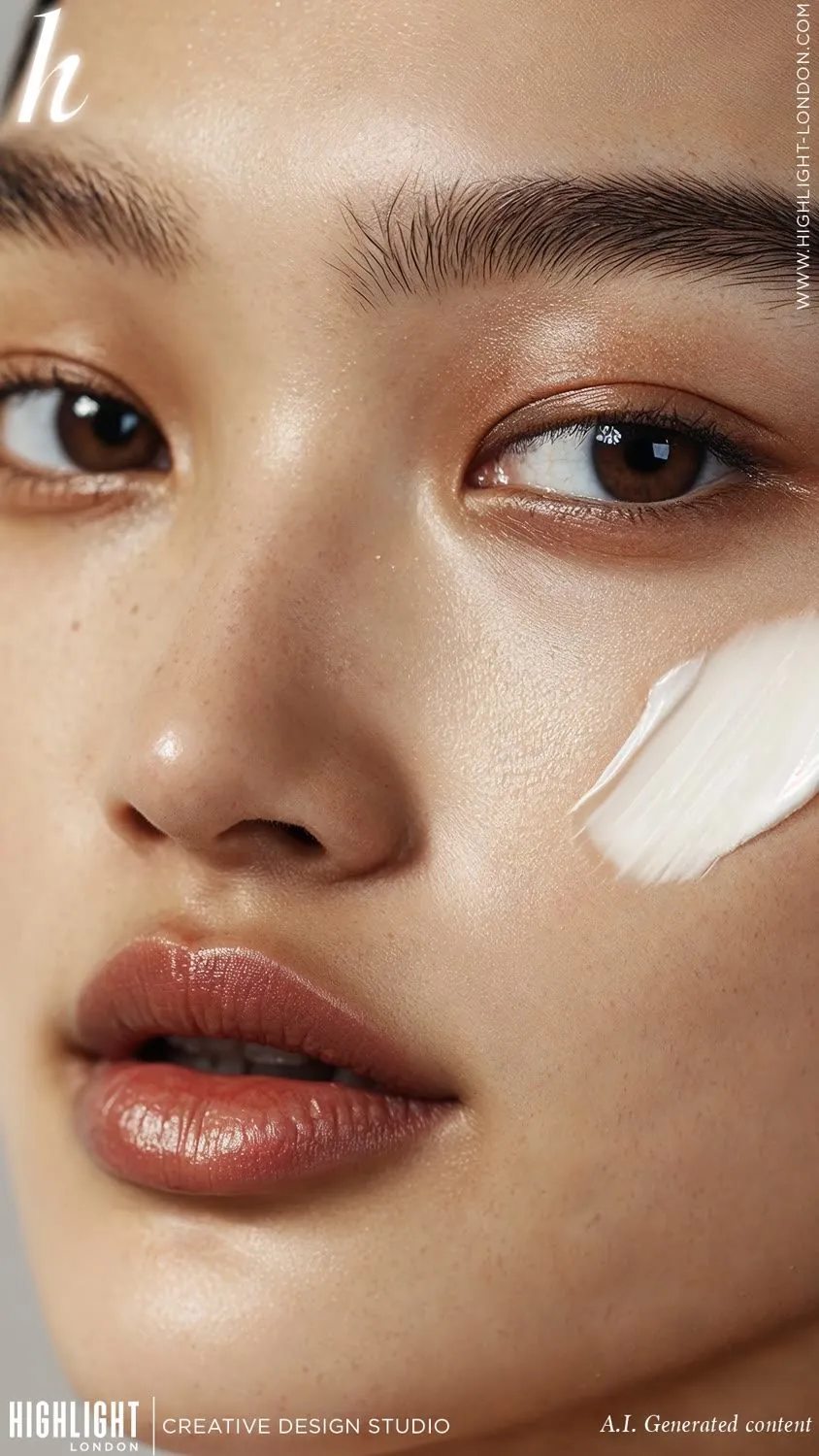
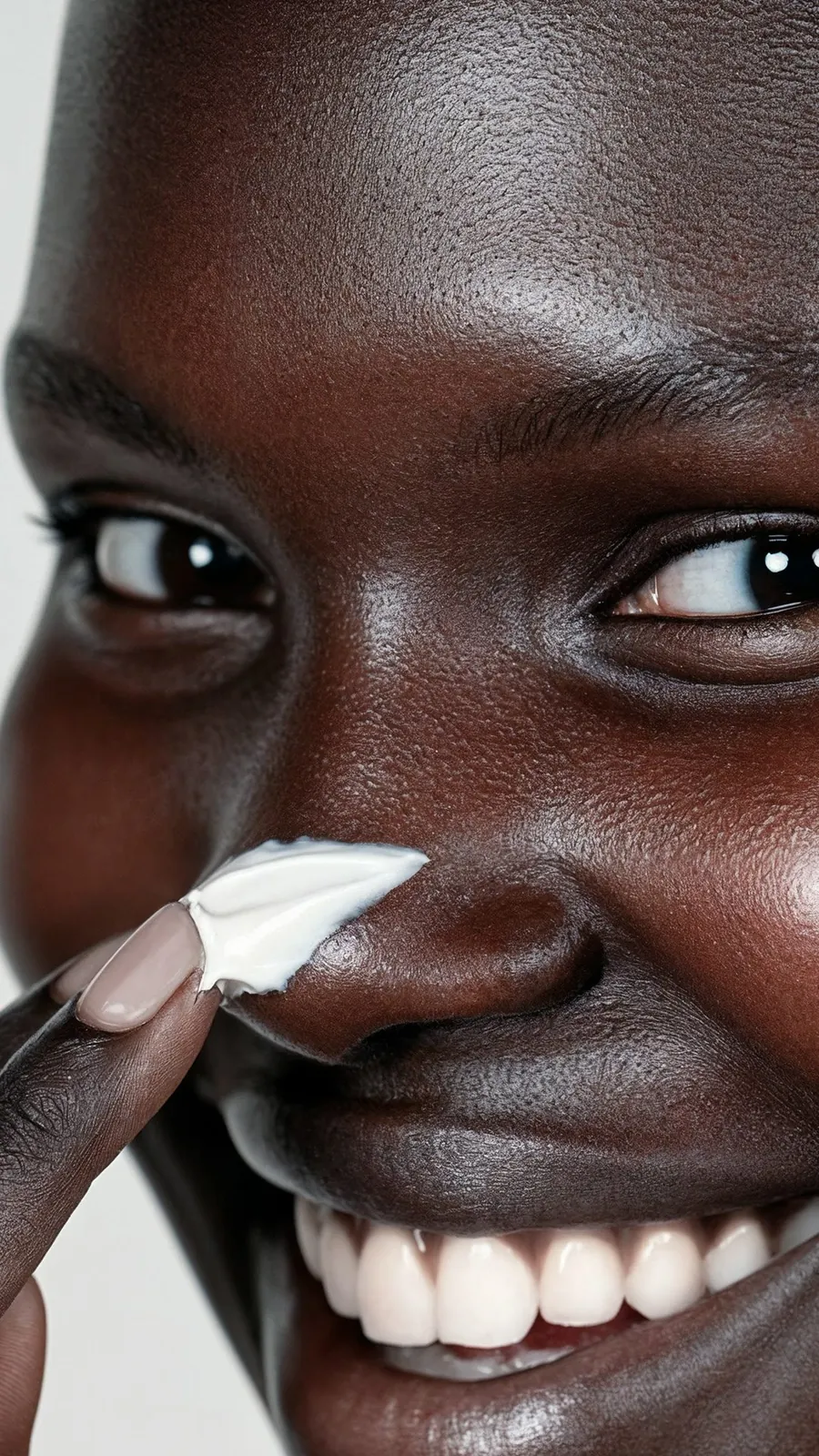
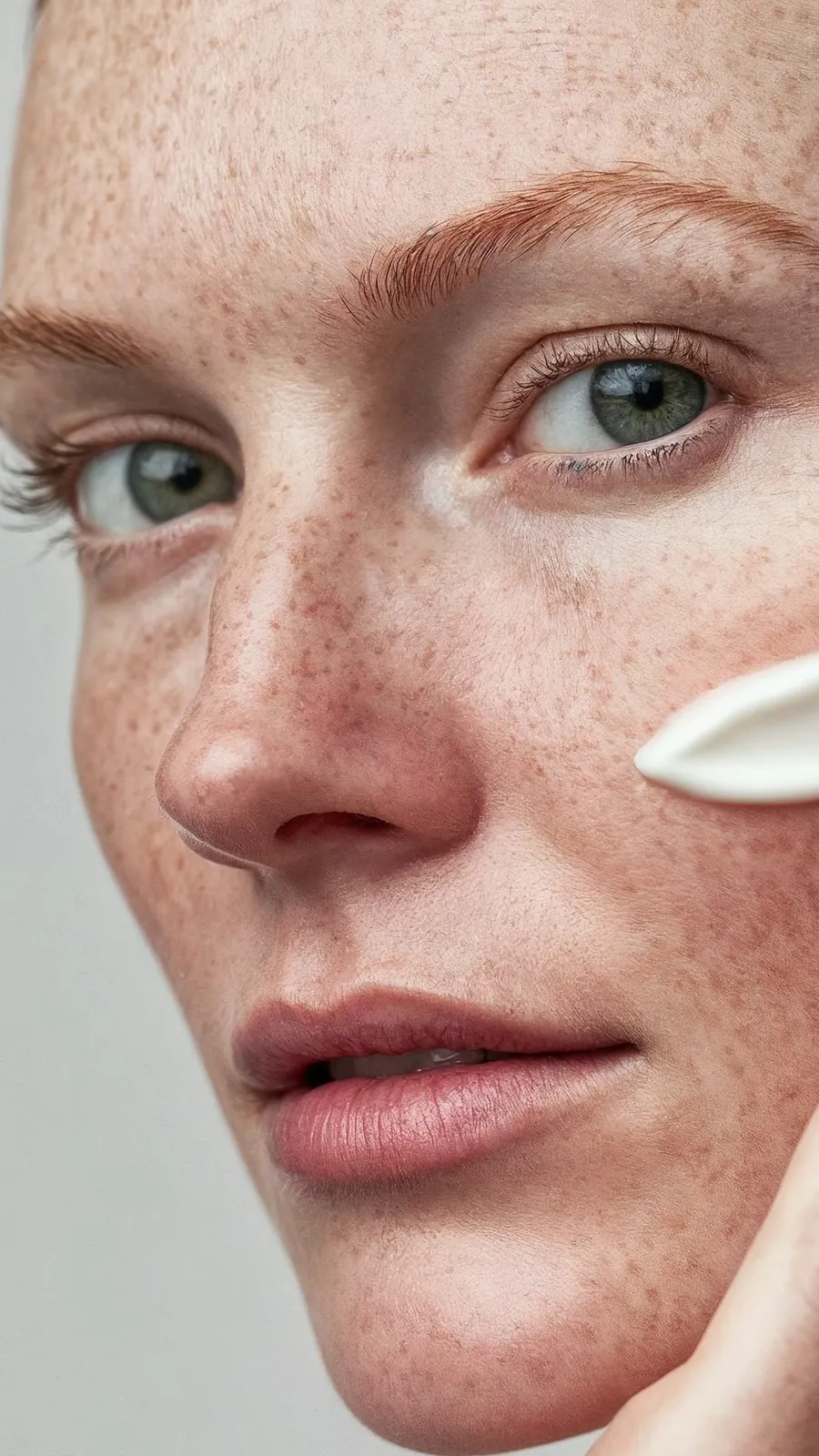
Publicis Prodigious · 2023

Research into realism for luxury beauty, when generative AI was just emerging.

FIG. 05Research loop · rules for realism

Input

Standard

  • TargetLuxury beauty realism
  • ModelMidjourney

Test

Skin

  • MethodOne variable at a time

Test

Texture

  • MethodOne variable at a time

Test

Light

  • MethodOne variable at a time

Review

Evaluate

  • AgainstCampaign realism

↺ Iterate until it holds

Rule

Prompting rules

  • StatusDocumented, reusable

Output

Campaign grade stills

  • RangeThree skin tones
Realism study oneRealism study twoRealism study three

System stepHuman decision

ResultA method written down in 2023, still the base of how we brief realism.

10K+

AI editorial images

100+

SKUs on shelf

12

Markets adapted

2019

In beauty AI since

QUESTIONS & ANSWERS

Transformation, in plain words.

What does the Transformation offer cover?

We install AI content systems inside beauty teams. We audit how content gets made, define what the system must do, build the workflows, tools and prompt libraries, then hand it over with training so the team runs it on its own.

What content systems has Highlight London built?

Examples include a packshot pipeline holding one standard across Max Factor, Bourjois and bareMinerals, a three-route concept workflow for Wella Professionals Ultimate Repair, and a realism research loop for Publicis Prodigious in 2023.

What does a creative technologist do at Highlight London?

Highlight London builds the tooling behind each content system and sets it up inside the client team: a format engine that reframes one approved master into every ratio and market variant, ComfyUI node pipelines for colourways and adaptations, brand-tuned models and prompt libraries, and studio agents that connect Claude to Drive, Notion and the studio tools.

What AI tools does Highlight London use for beauty content?

A curated stack matched to each stage of production: Midjourney and Claude for concept and direction, Nano Banana and GPT Image for hero stills, Higgsfield, Kling, Runway, Sora and Veo for motion, ComfyUI for batch variants. The stack is documented in a prompt library anchored to the brand's visual direction codex.

What does a beauty brand have at the end of an engagement?

A documented production workflow, a prompt library and visual direction codex anchored to the brand book, a configured tool stack the team operates directly, and a team fluent enough to adapt the system as the brand evolves.

START WITH THE AUDIT

Show us where the hours go.

A team, a content chain, a volume to reach. Tell us what slows production today and we will tell you where we would start.

Email works too: info@highlight-london.com
Or call +44 7826 741 850.

We reply within 48 hours. Your brief stays confidential.