
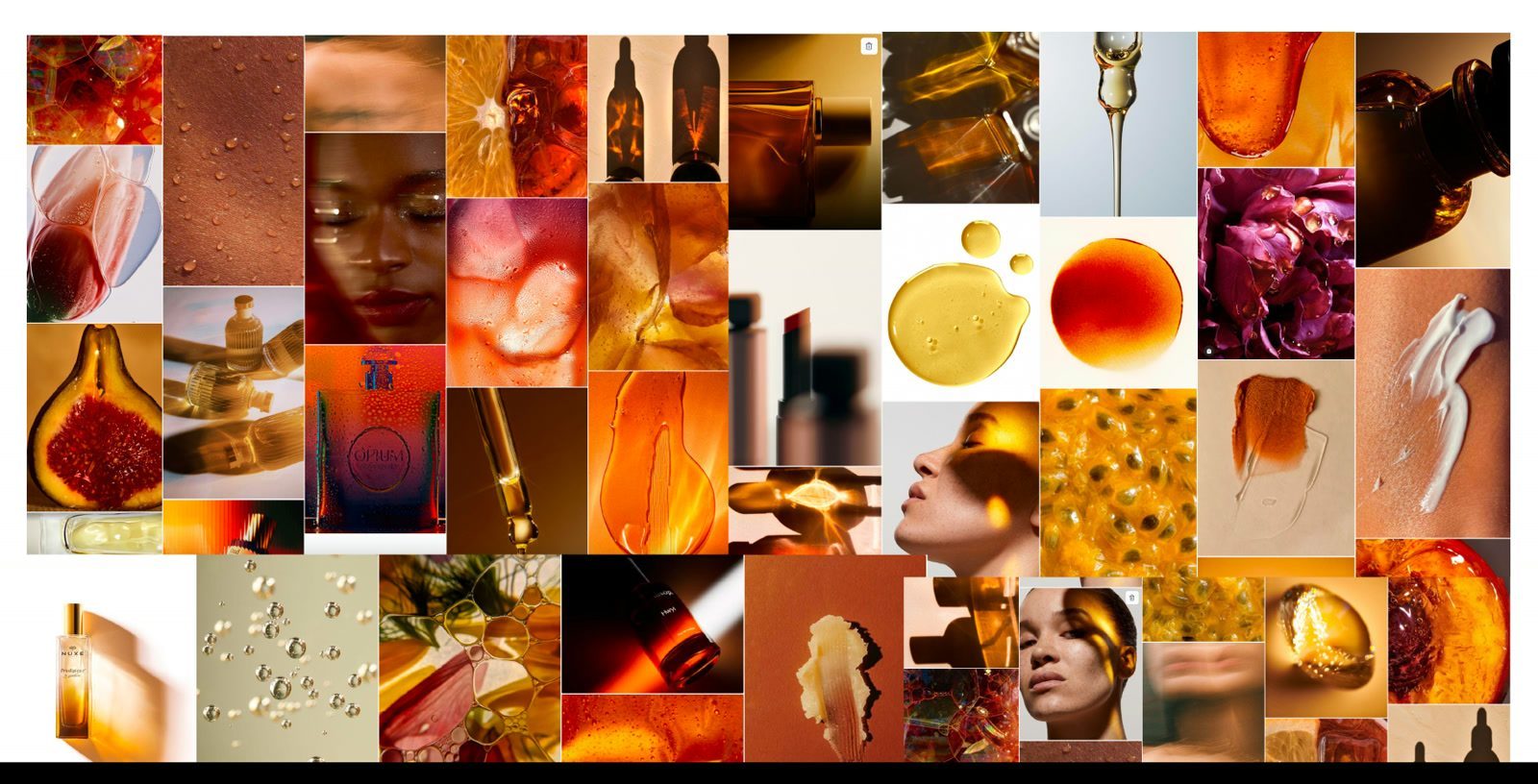
A creative director says: "I want something that feels like the light at 5pm in September, elegant, a little melancholic." A photographer knows what to do with that. An AI model produces something beige. The failure is in the translation, and the translation is learnable.
The translation problem
Creative direction operates in affect. It describes how something should feel, the emotional register, the cultural reference, the quality of attention it demands. AI models operate in observation. They describe what is visible: surfaces, light angles, focal lengths, colours, objects in frame. The two languages describe the same image from opposite directions, and the gap between them is where most AI briefs fail.
Closing the gap is a skill, and it is a specific one. It requires the creative director to decompose their felt sense of an image into observable variables, and the prompt writer to reassemble those variables in the order and specificity the model rewards. The workflow that produces consistent prestige output separates these two roles clearly: the creative director holds the feeling, the prompt writer translates it.
The translation framework
Every piece of creative direction has five translatable components. The mood, which describes the emotional register of the image. The light, which is the single most powerful variable in determining whether AI output reads as prestige or generic. The subject relationship, meaning how the subject sits in the frame relative to the camera and the environment. The material world, covering every surface, texture and object in the image. The reference register, which names the photographic tradition or publication the image should inhabit.
Each of these converts into specific prompt language. Mood becomes time of day, colour temperature and a named photographic era. Light becomes a source, a direction, an intensity and a shadow logic. Subject relationship becomes focal length, distance and framing. Material world becomes named surfaces and textures. Reference register becomes named publications, photographers or campaigns.
Translations in practice
Creative direction
"It should feel intimate, like a private moment, almost clinical but warm."Prompt translation
close-up, 85mm, shallow depth of field, soft warm window light from right, white clinical background with subtle warm cast, intimate framing, personal not performative, Helmut Newton intimacy registerCreative direction
"I want it to feel expensive without being cold. Something that belongs on a dressing table, not in a lab."Prompt translation
product on aged marble surface with worn edge, warm ambient light from above, no harsh shadows, slightly warm white balance 4800K, personal styling objects out of focus in background, editorial lifestyle register, Vogue Living aestheticCreative direction
"The 5pm September light. Golden hour but not sunset. That specific quality."Prompt translation
late afternoon directional light, warm golden cast without orange saturation, 4200K, long soft shadows, window light at 30 degrees to subject, late September afternoon quality, film photography registerThe iteration loop
The first generation is a test of the translation, not a final output. Run it short: one image, two at most, with the translated prompt. Look at what the model understood and what it missed. The miss is information. If the light is right but the surface is wrong, the surface descriptor needs more specificity. If the mood reads but the framing is off, the optics variable needs adjustment. Each iteration narrows the gap between the felt direction and the generated output.
Three rounds is the typical range for a new brief. A brief built from an established prompt library with tested variables often lands in one. The library is what compresses the iteration cost across a production. Writing good translations once, testing them, and filing them is the work that makes the whole system faster over time.
What Claude does in this workflow
Claude is useful at the translation step specifically. Give it the creative direction in natural language and ask it to translate into prompt variables for a specific model. It knows the difference between what Flux rewards and what Midjourney rewards, and it can run multiple translations of the same brief for comparison before a single generation is purchased. We use it as a prompt drafting layer between the creative director and the model, which keeps the director in their native language and the prompt accurate.